

A welcome is more than a greeting
A guest arrives with a suitcase, a reservation, and a picture of Santorini in their head. They may have planned the restaurants, saved the viewpoints, and studied the places of interest. Still, the experience of their stay is decided by the elements they have not foreseen
A recommendation that spares an afternoon, a room prepared with care, someone who knows that the guest wants to avoid the next place on the list. A message answered before a minor question turns into a demanding task.
They are the acts of attention that seem unimportant but constitute the core of an excellent reception. We believe that these are manifestations of philoxenia, the Greek concept of welcoming the outsider, caring for their needs, and surprising them with friendliness and generosity.
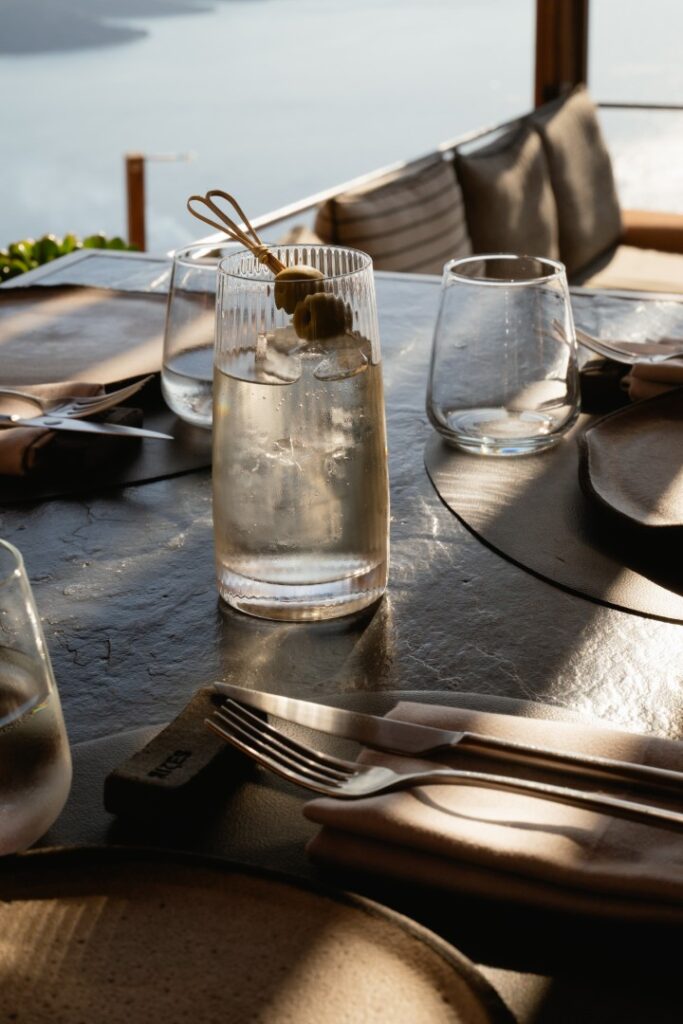
What is philoxenia?
Philoxenia translates to “hospitality” in English, but a part of the word’s meaning is lost in transit. The term describes the welcoming of a stranger and implies that the guest should be treated with kindness and openness. In particular, in Greek, xenia refers to the concept of friendship, and adding the prefix philo- means to extend one’s love.
For us at Aestian Hospitality, this is more than an abstract ideal. We believe that philoxenia is at the heart of great hospitality. We use this term because we aim to offer our guests a personal approach and go beyond the routine service. In particular, we accept that every visitor has their reasons for travelling and that each expects to receive different treatment.
The welcome to the place is not given in the hotel
A stay in Santorini begins before the guests arrive in the hotel. We start paying attention to our visitors as soon as they ask us for advice. They may contact us with questions: what area is better for their stay, what are the options for the first day, where to eat local food, where to avoid crowds, and so on. We believe that communication with the guest before their visit shapes the basis of future interaction.
This is why careful answers and specific recommendations matter in our work. After all, a newlywed couple will most likely have different requirements for their Santorini holiday compared to a group of friends. A visitor who arrives with a family will have different priorities than a solo traveller who wants a holiday to escape everyday life. Moreover, what to bring to the island, and what to avoid, is not a universal question. Each guest should receive advice that considers their personal situation.
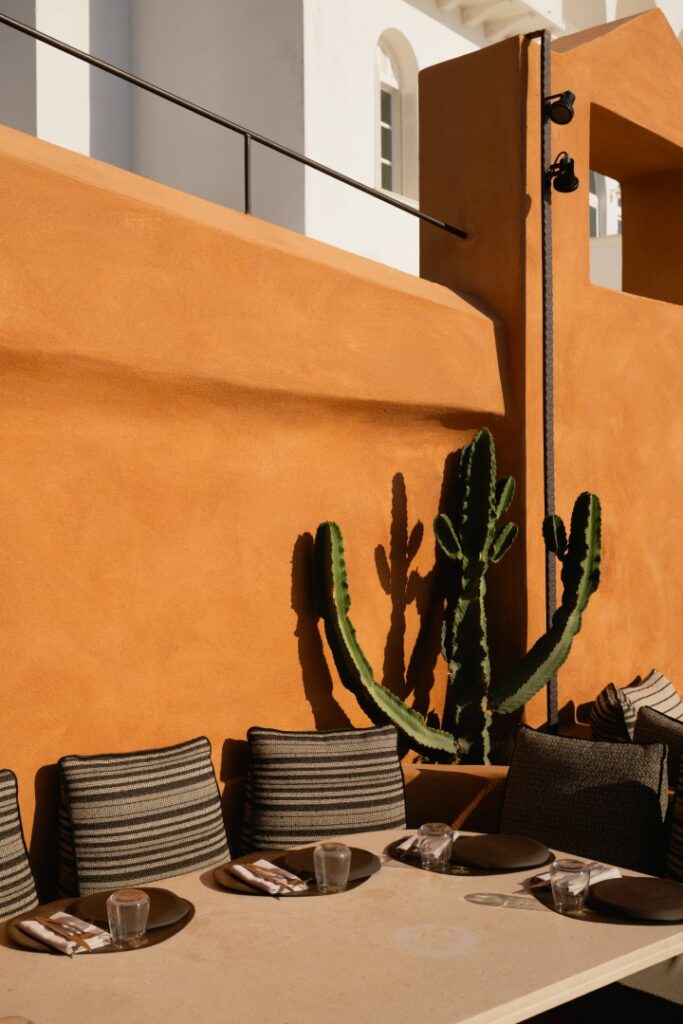
The art of knowing when to intervene
Careful consideration is required in every interaction with a guest, and the ability to respond to their concerns without overstating one’s position. This awareness, this understanding of how to serve people and, at the same time, respect their solitude, is the art of hospitality. A visitor should know that they can call upon the hotel’s resources and support while remembering that these people will never replace a real human connection.
Perhaps that is why personal approaches are so important, and why we strive to develop relationships with every guest. Whether that means responding to their messages as if they were face-to-face conversations, or explaining the situation carefully to avoid misunderstandings. The key point is that people who want to receive great hospitality can feel their unique needs and be treated accordingly.
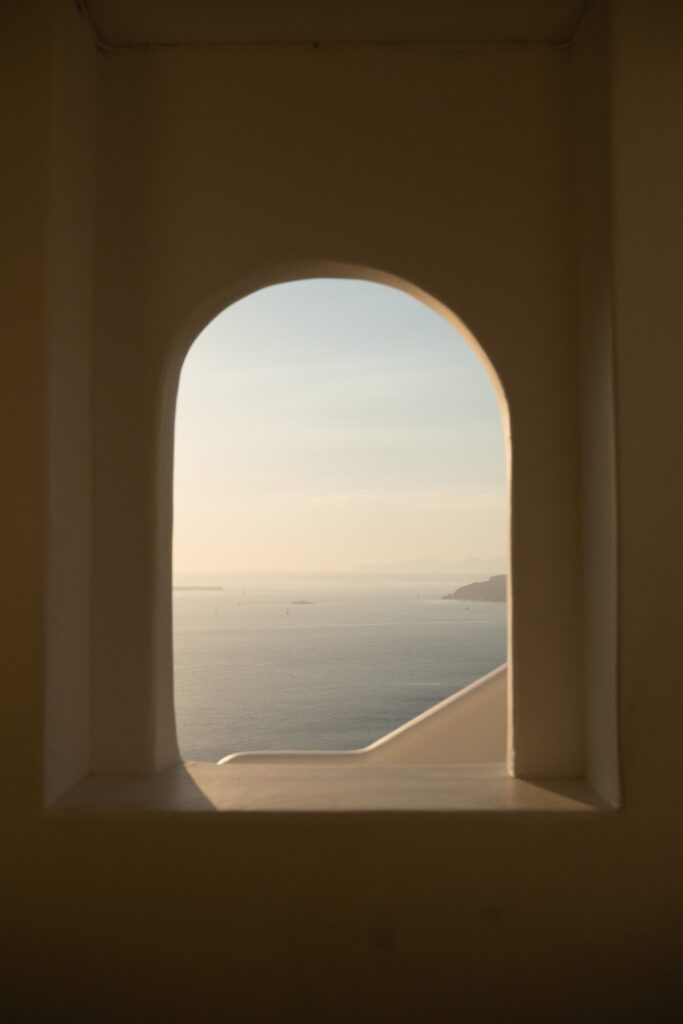
Hospitality and the local colour
A hotel room is nice, but Santorini is so beautiful that visitors may feel overwhelmed by the scenery. However, our job is to help the guest become familiar with the island and its local appeal. After all, Santorini offers much more than picturesque views – it is a place where landscapes, history, cuisine, culture, and nature intertwine and create an amazing atmosphere. This is especially true for the local people who know the island’s personality best.
Therefore, we believe that genuine personal approaches are key to excellent hospitality. We aim to educate and develop our visitors’ awareness so that they can learn to navigate the local colour and become familiar with the local history. This is how we create a personal connection with every guest. We do not seek to confine them in a bubble of hotel comfort but help them explore the real island.
Memories last longer than the stay
The details of the place, the advice given carefully before the trip, the opportunity to relax and enjoy themselves even when the visit is spoiled by circumstances beyond one’s control. Years later, a guest may recall their visit to Santorini and be touched by how thoughtfully they were cared for. They remember the advice, the recommendation, the opportunity to spend their time meaningfully in an unfamiliar place. The morning spent wandering the streets of Vourvoulos, the afternoon saved by the staff, the day spent in an abandoned church – these are the memories that help people feel at home thousands of miles from their own country. We believe that this is the essence of #TheArtOfPhiloxenia.
Great hospitality should be an expression of personal approaches, attentiveness, and care. Perhaps these rules are not complicated, but we strive to follow them to make the guests comfortable and provide a memorable experience.

FAQ
What is the meaning of philoxenia?
Philoxenia is a Greek concept of hospitality that implies welcoming the stranger and caring for them with generosity and kindness.
How does Aestian Hospitality express philoxenia?
Aestian Hospitality expresses philoxenia by personal approaches, paying attention to the client, studying their preferences, and seeking to surprise them. We provide the service that considers the needs of the guests and helps them receive the most enjoyable experience.
Why is local knowledge important in hospitality?
Local knowledge helps to assist the guests, give them useful suggestions, and offer an authentic experience that they will not receive elsewhere.
What makes Greek hospitality unique and memorable?
Greek hospitality is famous for its friendliness, openness, and generosity, which create a unique experience and a lasting impression. Moreover, personal approaches are a hallmark of Greek service culture, and interactions with guests are built based on kindness and attention.
Discover a more personal stay in Santorini through the Aestian Hospitality
collection. www.aestian.gr

Panagiotis Inglesis is the co-owner and General manager of Athina Luxury Suites, along with his wife Mrs.Artemis Argyrou. Together they had a vision to create one of the best boutique hotels in Santorini and today they continue their vision…Athina Luxury Suites is considered one of the top hotels on the island.