
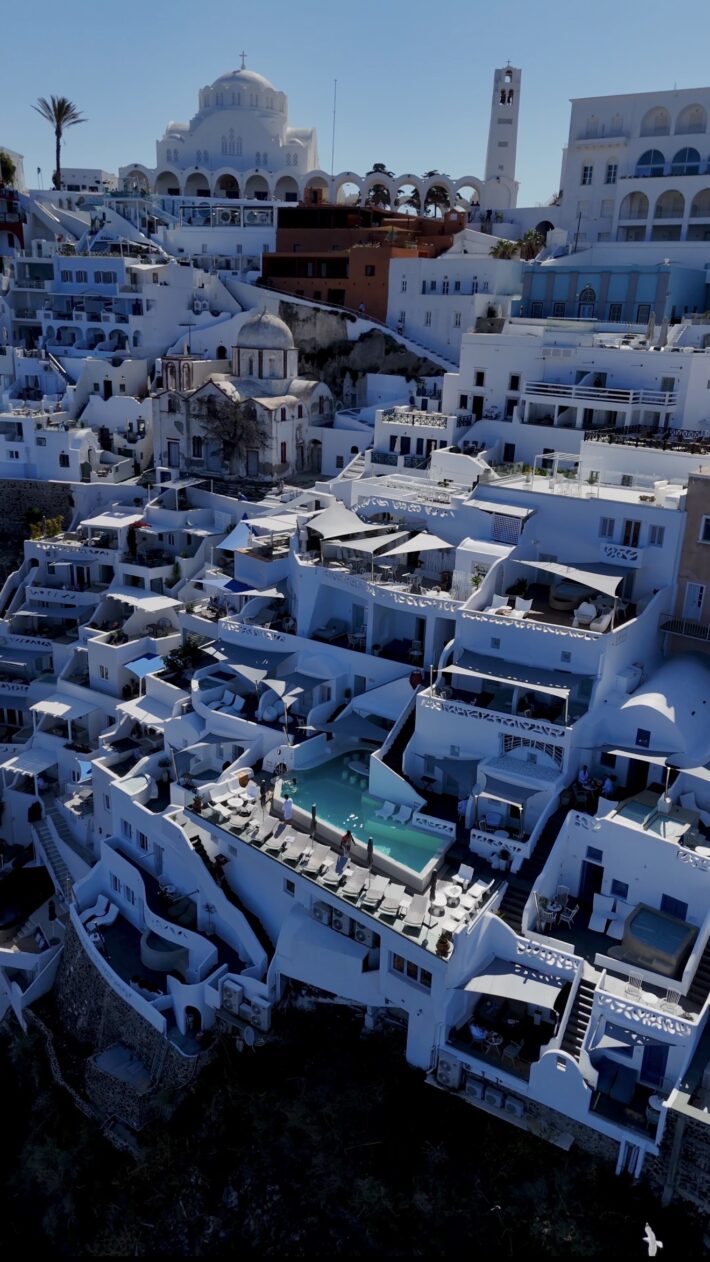
For over a decade luxury hospitality has been defined by a sleek minimalism. Glossy glass, polished chrome, high gloss paints and pure white walls are a staple of the industry. This ‘glass’ aesthetic is all about purity and transparency.
However, in today’s modern design market we’re seeing some serious evolution in the most high-end boutiques across Greece. The need for a clean, pure aesthetic has faded into the past and now there is a new wave of sophistication. We want to get back to a more tactile space with natural textures and earthen elements.
This evolution is due to our desire as humans to be more authentic, tactile and grounded.
The Need for Human Touch
Humans are tactile creatures. If all of our interior is covered in gloss, man-made or too perfect, we can feel disconnected from our surroundings.
A tactile aesthetic makes us feel more connected to our surroundings. Natural textures will make us feel warmer as they have a natural warmth to them. Rather than using cold glass and chrome, natural textures will absorb the light giving us a peaceful cocoon feeling. Luxury is no longer about mass produced perfection but bespoke and unique. Using natural textures like the trowel marks on our white washed walls, veining in our natural marbles and natural linens will tell us that our space has been created by human hands.
Respect the Local Geology
Where there are powerful elements like the volcanic Santorini caldera, architecture has always been a necessity. Traditional buildings on the island were created using the local pumice and rock. Using earthy plasters and local stone to keep in line with nature.
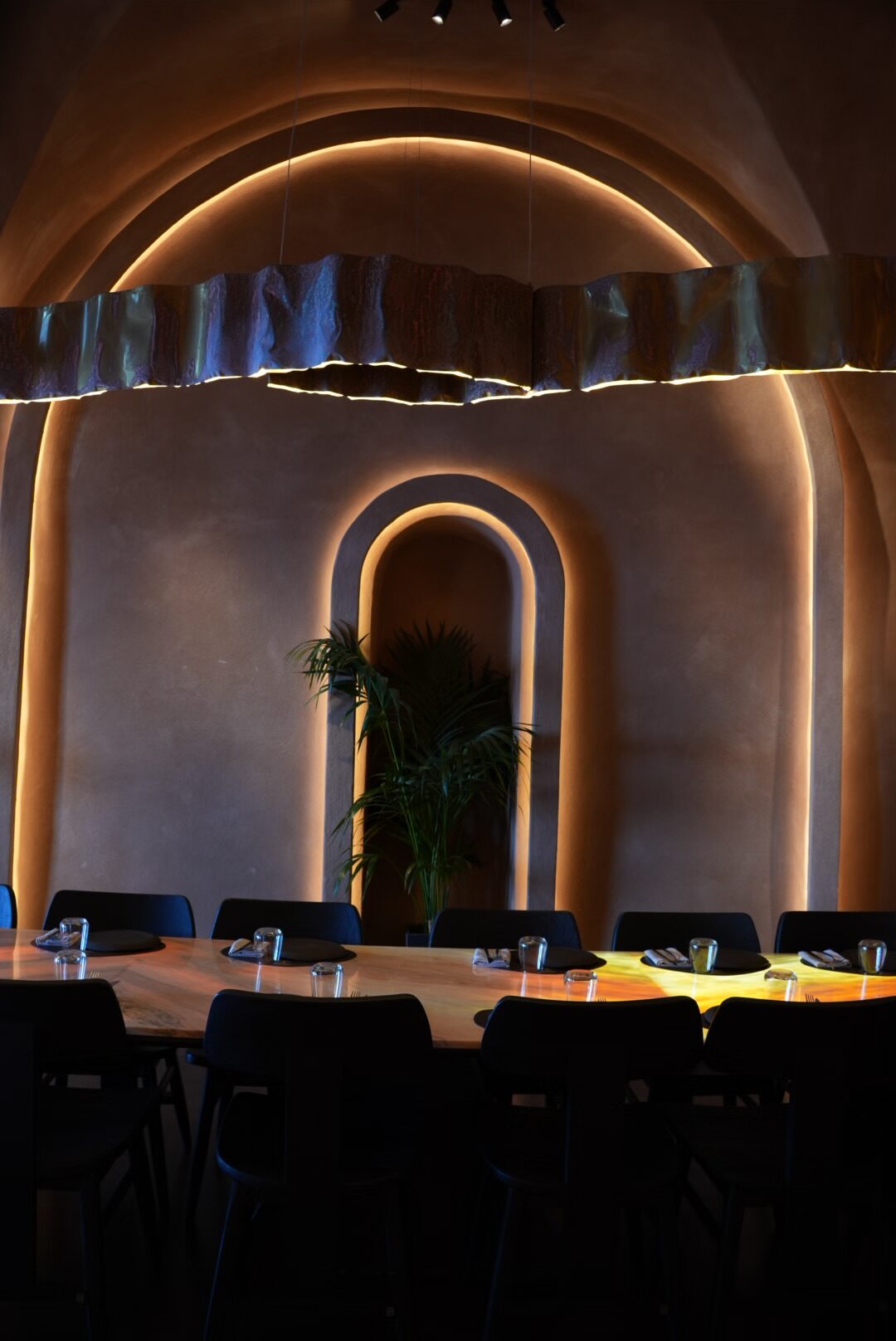
When designing our spaces with a tactile aesthetic we can show respect to the buildings. By using natural warm tones such as alabaster, soft travertine, raw terracotta and charcoal tones which reflect the volcanic layers of the island. Using natural textures in their rawest form will really reflect the character of our building. We can use natural timbers, forged iron and open stone alcoves to reflect the character of our building materials. Using tactile porous flooring and earthen wall textures will really help to blend our interiors with the outside.
Our guests will feel as one with nature.
Light Differences
The textures in our properties affect the way the light moves around. A glass and chrome interior will create very bright reflections. However, using matte, textured and natural textures will really soften the light.
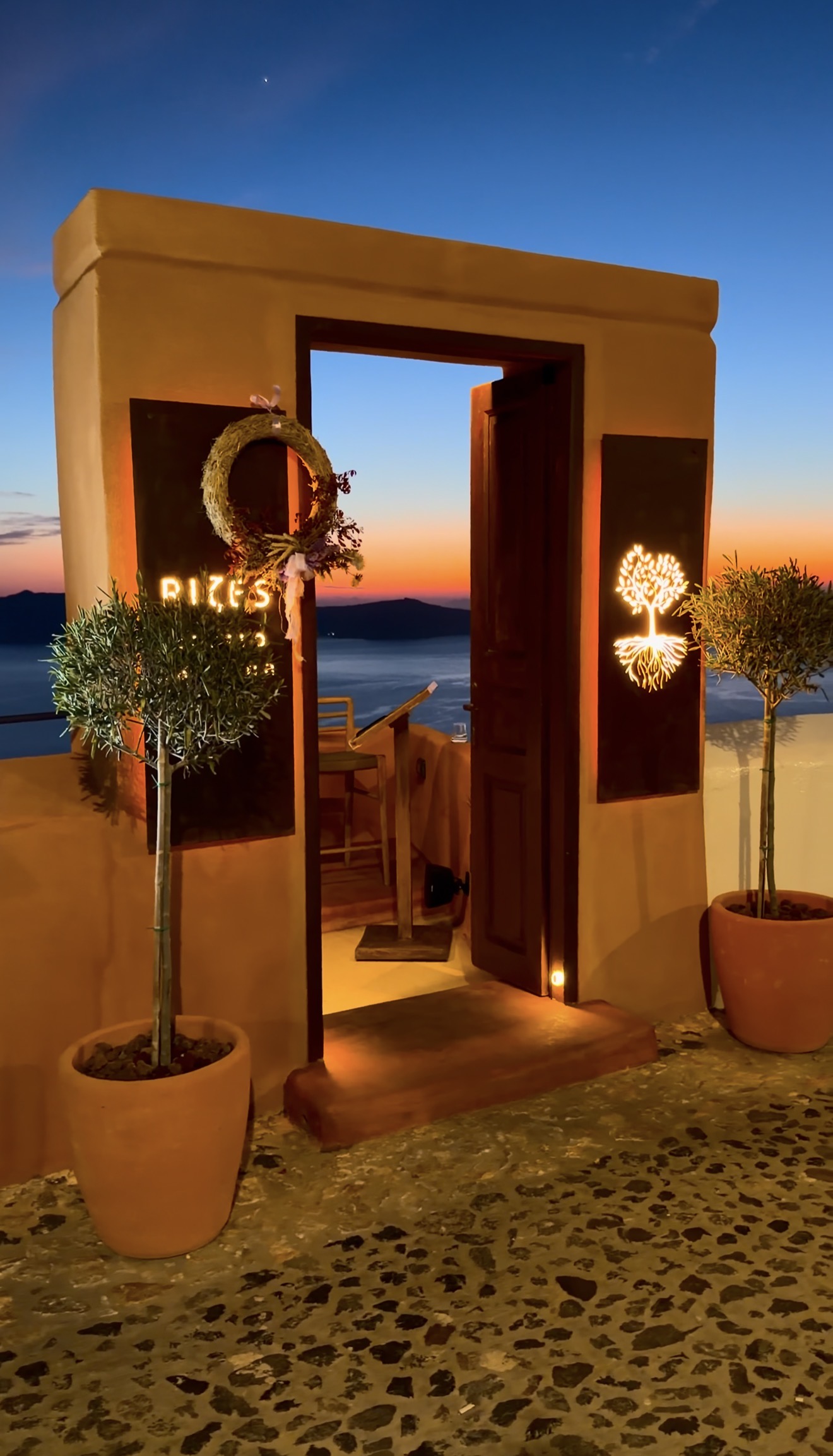
As the sun sets behind us with beautiful amber and purple hues across the caldera, our tactile walls will really bring the shadows to life. The candle light and warm architectural lighting will really create a warm intimate feeling with our lime plasters. This will create a very romantic feeling that cannot be achieved with high gloss. Our hotel rooms will become a sensory haven.
The Future of Aesthetic Hospitality
As luxury hospitality evolves, exclusivity is no longer about how modern our rooms look. It’s about how connected our guests feel to the location.
By removing all the extra and going back to a natural, tactile aesthetic using earthy, stone and bespoke details, we’ve created spaces that feel like it will last. We want our guests to take time out to touch their surroundings and enjoy the modern comforts with the timeless feeling of nature.

Panagiotis Inglesis is the co-owner and General manager of Athina Luxury Suites, along with his wife Mrs.Artemis Argyrou. Together they had a vision to create one of the best boutique hotels in Santorini and today they continue their vision…Athina Luxury Suites is considered one of the top hotels on the island.